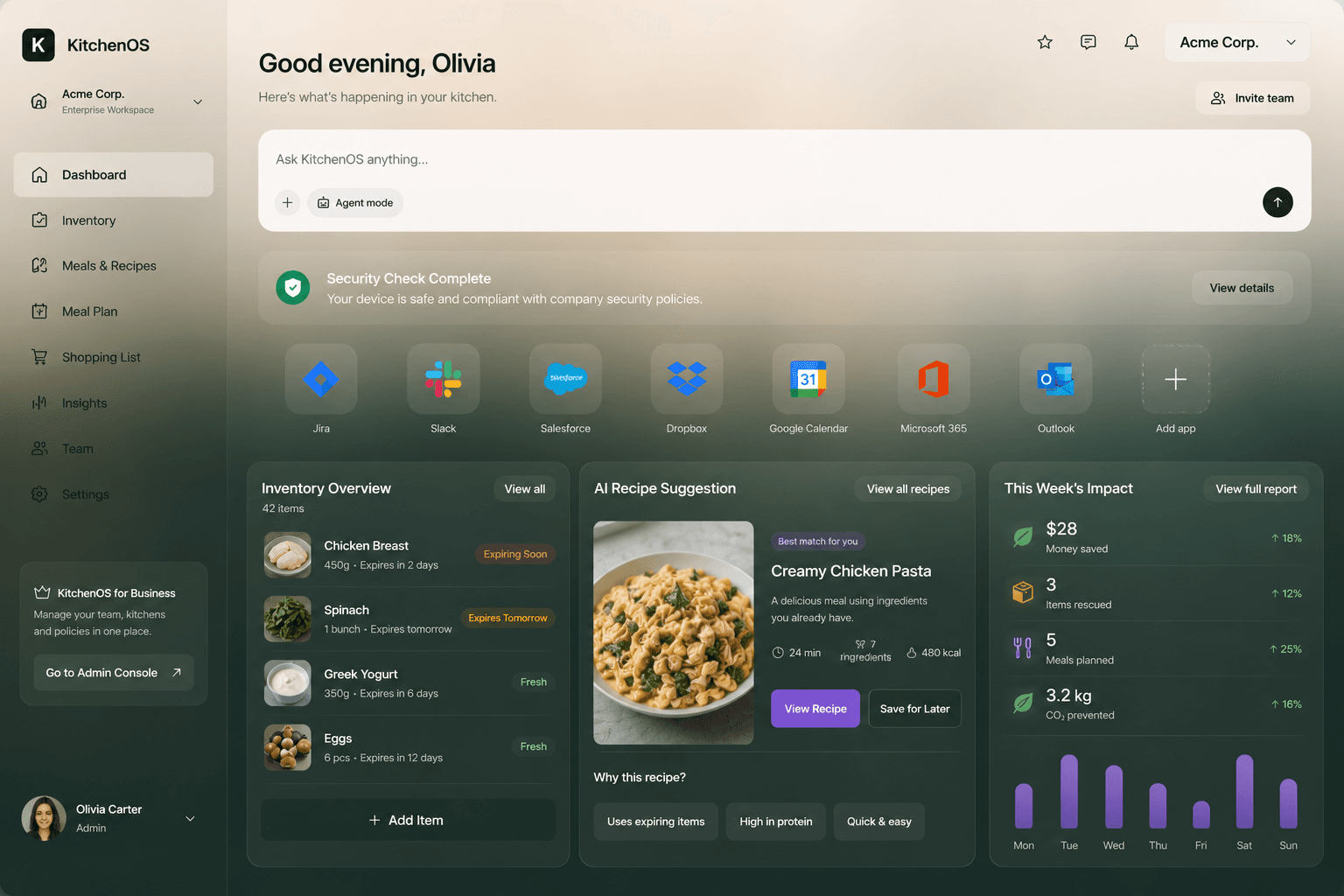
A spreadsheet can store dates, but it does not make a busy kitchen more likely to use them. The better system is a small, visible list tied to the moments when food enters, opens, or leaves the fridge.
Key takeaways
- Record opened and cooked dates when useful.
- Keep label language and local context.
- Review dates before shopping.
- Use a reminder as a prompt to inspect.
Understand which date you are recording
Packages may show different kinds of dates, and the meaning varies by country and product. Keep the original wording and check local guidance instead of translating every label into one universal “expiry” number.
For home-cooked food, the useful reference is often when it was prepared or stored. For an opened package, note when it was opened if the label or local guidance makes that relevant.
Use a three-level tracking system
Level one is a visual check: know what is in the fridge. Level two is selective dates: mark foods that need attention soon. Level three is a routine: review those dates before shopping and choose a meal that uses one of them.
FridgeFox keeps dates optional so you can use level two without turning every ingredient into a data-entry project. The pantry can still be useful when an item has no date.
Keep reminders tied to decisions
A reminder is most useful when it answers “what should I do now?” Pair a date with an action such as cook, freeze, use in a sauce, or check the package. Avoid creating alerts for every item; too many notifications become background noise.
When plans change, adjust the record. A date that reflects yesterday’s plan can mislead the next person who opens the kitchen app.
Know when an app is not enough
A tracker cannot see temperature history, damaged packaging, contamination, or how long food sat out. Do not taste questionable food to test it. Consult an official food-safety source for the food and situation in front of you.
- Record opened and cooked dates when useful.
- Keep label language and local context.
- Review dates before shopping.
- Use a reminder as a prompt to inspect.
- When uncertain, follow authoritative safety guidance.
What are the limitations and exceptions?
A tracker cannot see temperature history, damaged packaging, contamination, or how long food sat out. Do not taste questionable food to test it. Consult an official food-safety source for the food and situation in front of you.
Sources and further reading
Food-storage and safety guidance changes by country and context. Use these authoritative sources for the decision in front of you.
See the FridgeFox testing methodology and corrections process for how product and source claims are reviewed.
A practical next step