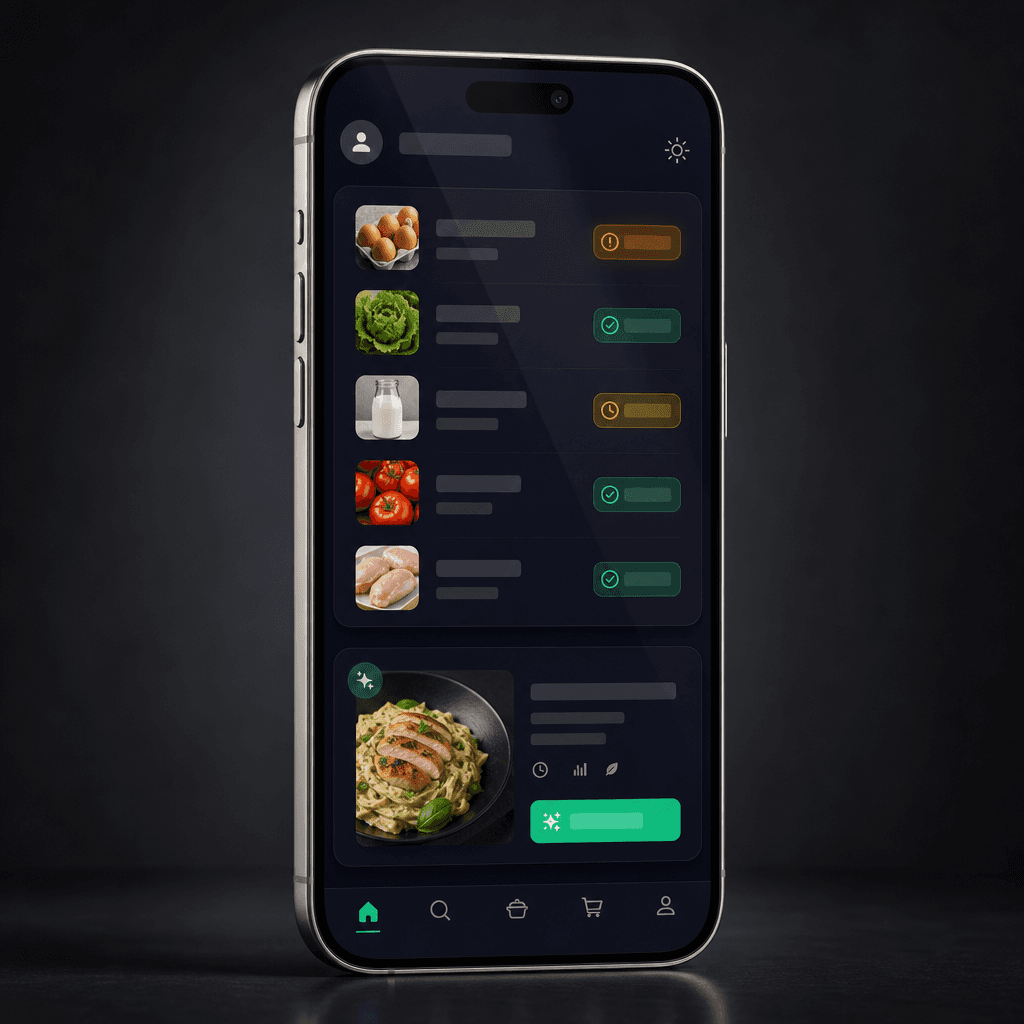
Shared kitchens create a special inventory problem: one person sees the fridge as a plan, another sees it as a collection of ingredients, and a third may not know what is reserved. A good checklist creates shared context without policing every meal.
Key takeaways
- Shared staples and open packages
- Produce that needs using soon
- Cooked leftovers with stored dates
- Freezer items that support quick meals
The family fridge checklist
Use the following list as a starting point, then remove anything your household never uses.
- Shared staples and open packages
- Produce that needs using soon
- Cooked leftovers with stored dates
- Freezer items that support quick meals
- Ingredients reserved for a planned meal
- Items someone has finished or moved
- The small list to check before shopping
Agree on names and ownership
Use names that make sense to everyone and note when an item is personal or reserved. A shared pantry can still respect individual preferences. The point is to prevent duplicate buying and accidental use, not to remove flexibility.
If several people update the inventory, a shared account or household view can help—but only if the rules are clear and everyone knows when to remove an item.
Run a weekly reset in three passes
First, remove what is gone. Second, move visible items that need attention into the cooking plan. Third, compare the inventory with the next shopping list. Keep the reset short enough to repeat on a busy weekend.
A photo scan can help a household rebuild the list after a large shop, while manual edits handle the exceptions.
Handle dates and safety carefully
A shared app can remind people what date was entered, but it cannot decide whether a food is safe. Keep package instructions, storage guidance, and allergy checks visible. When a situation is uncertain, consult local public-health guidance.
- Use shared names.
- Mark reservations when they matter.
- Record leftovers and stored dates.
- Reset after the weekly shop.
- Keep safety and allergy decisions with the household.
What are the limitations and exceptions?
A shared app can remind people what date was entered, but it cannot decide whether a food is safe. Keep package instructions, storage guidance, and allergy checks visible. When a situation is uncertain, consult local public-health guidance.
Sources and further reading
Food-storage and safety guidance changes by country and context. Use these authoritative sources for the decision in front of you.
See the FridgeFox testing methodology and corrections process for how product and source claims are reviewed.
A practical next step