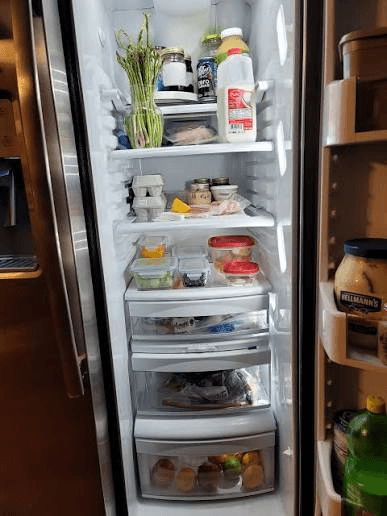
The phrase “AI fridge scanner” can sound more precise than the task really is. A photo is a partial view of a busy, reflective, layered space. Understanding the steps makes it easier to use the technology well and recognize its limits.
Key takeaways
- Photograph one clear area at a time.
- Use good light and reduce glare.
- Review names and categories.
- Add dates manually when you know them.
Step 1: capture the scene
The phone records pixels, not a pantry database. The image may contain shelves, containers, labels, shadows, hands, and overlapping foods. The clearer the frame, the more useful the later inference can be.
Taking one shelf or countertop at a time reduces ambiguity. A wide shot can provide context, but it can also make small objects impossible to distinguish.
Step 2: identify visible objects
The vision model looks for patterns associated with objects, packaging, and text. It may infer “milk,” “spinach,” or “leftovers,” but the result is still a likelihood based on the image. Similar packaging and occluded items increase uncertainty.
A product should show confidence or otherwise make uncertainty visible. FridgeFox lets you review detections and decide what belongs in the saved pantry.
Step 3: normalize the result into a pantry
An app turns a visual suggestion into a structured record: name, category, optional quantity, location, or date. This translation is where editing matters. “Cheese” may be enough for one recipe, while a household may need a specific type or amount.
Only after review should a result affect future recipe matches or expiry reminders.
What the scanner cannot infer safely
It cannot confirm freshness, temperature history, hidden ingredients, allergens, or whether food is safe to eat. It may miss small items or confuse similar foods. Treat the scan as assisted data entry and keep a human in the loop.
- Photograph one clear area at a time.
- Use good light and reduce glare.
- Review names and categories.
- Add dates manually when you know them.
- Never use recognition as a food-safety test.
What are the limitations and exceptions?
It cannot confirm freshness, temperature history, hidden ingredients, allergens, or whether food is safe to eat. It may miss small items or confuse similar foods. Treat the scan as assisted data entry and keep a human in the loop.
Sources and further reading
Food-storage and safety guidance changes by country and context. Use these authoritative sources for the decision in front of you.
See the FridgeFox testing methodology and corrections process for how product and source claims are reviewed.
A practical next step